
GWR Park
GWR Park is Swindon’s oldest dedicated public park, first used as a cricket pitch in 1844.
Situated in Swindon’s historic Railway Village, the park has experienced a number of transformations over the years, with different features coming and going. With such rich history and significance to the local area, the park is included as a major site in Swindon’s Heritage Action Zone (HAZ), which aims to rejuevenate the wider Railway Village area.
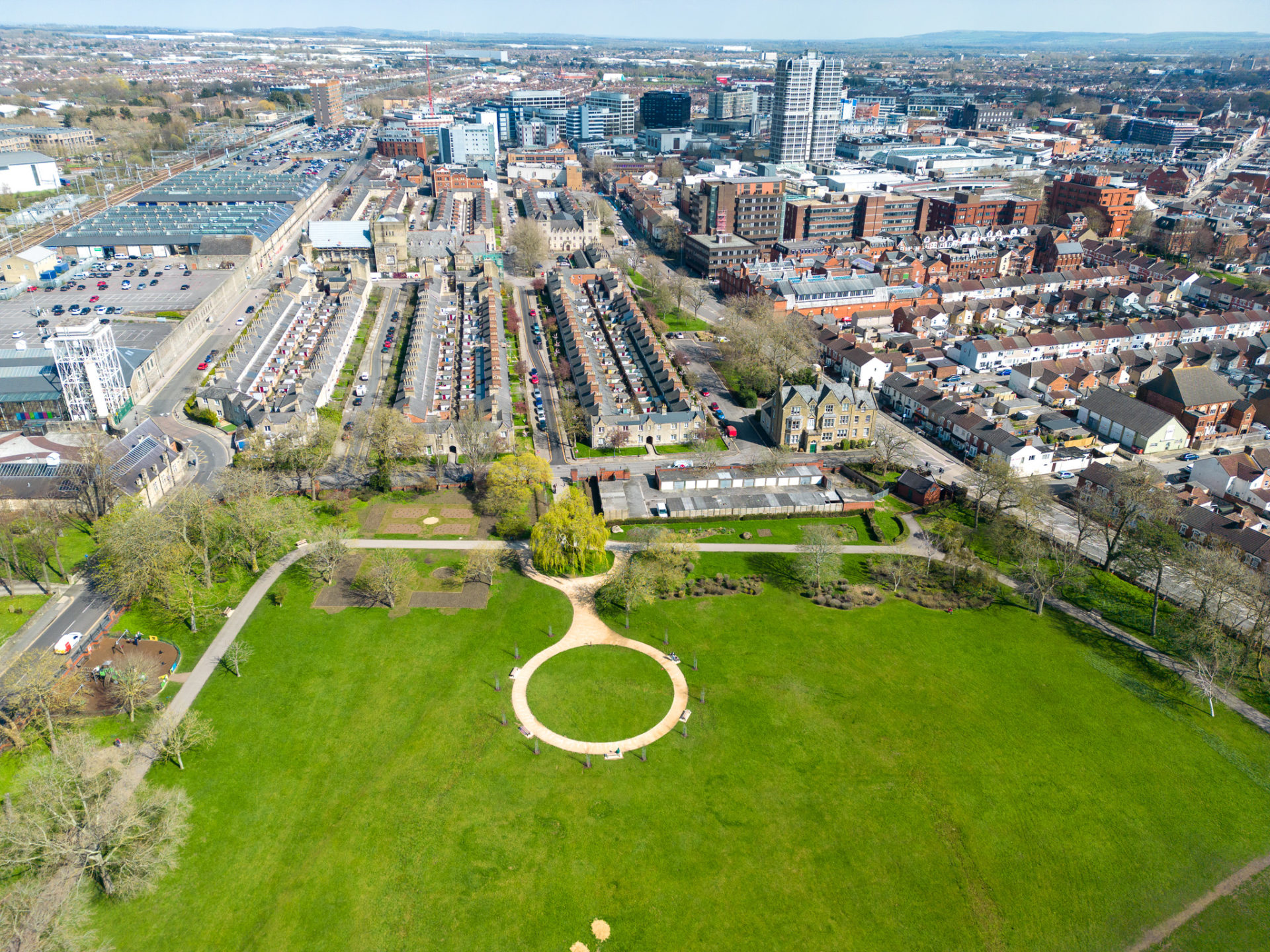
Notable features of the park include the Blossom Circle, the WW1 Memorial, the Mother-Language Monument and the railway themed children’s play area.
Brief History
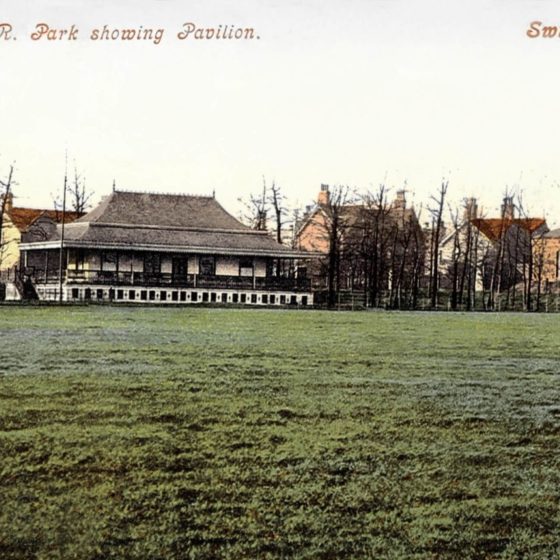
The site of the GWR Park was purchased in 1844 for use as a cricket pitch hence it was originally known as The Cricket Field. A small pavilion was built, and the New Swindon cricket team played there from 1847. A substantial new pavilion was erected in 1872 on the western side of the park.
Cricket was a popular sport amongst the railwaymen and in addition to inter-shop matches, the New Swindon side played matches against other local towns and villages. There was a fierce rivalry with the Swindon Cricket Club based at the Okus Fields in The Sands, Old Town. Cricket was very popular and the standard of play between the two clubs was high. In the 1890’s, the great Dr.W.G.Grace was dismissed for a “double duck” by a local man for the only time in his career.
In addition to cricket, the GWR Park also hosted athletics and cycling events, playing a big part in the social life of the Railway Villagers and now occupies a special place in the history of Swindon. It was a natural leisure place for the people of the Railway Village and the surrounding area for both young and old. GWR Park was a place for local people to meet and pass the time, for children to play, to have a picnic or just to sit in the sun and watch a game of cricket or to enjoy the ornamental gardens.
The landscaping of the cricket field took place around 1871 when the entrance lodge was built, and formal gardens were laid out on the eastern side of the park. A footpath surrounded the cricket field with some 20 seats located at regular intervals. Ornamental metal railings on top of a low brick wall surrounded the park with several entrance gates located at intervals around the boundary.


Formal and Ornamental Gardens
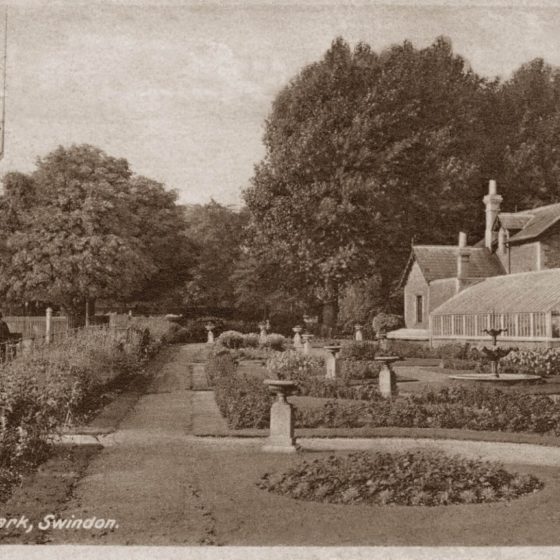
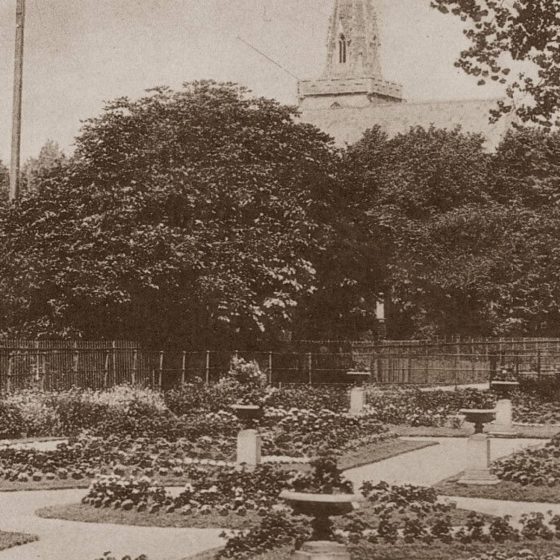
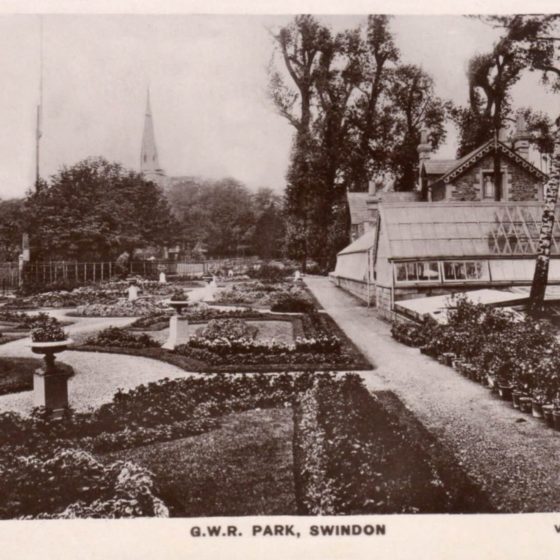
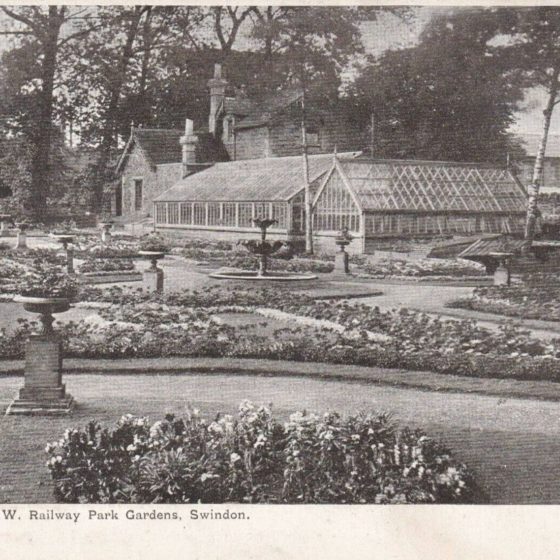
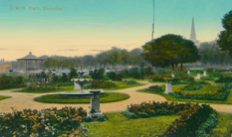
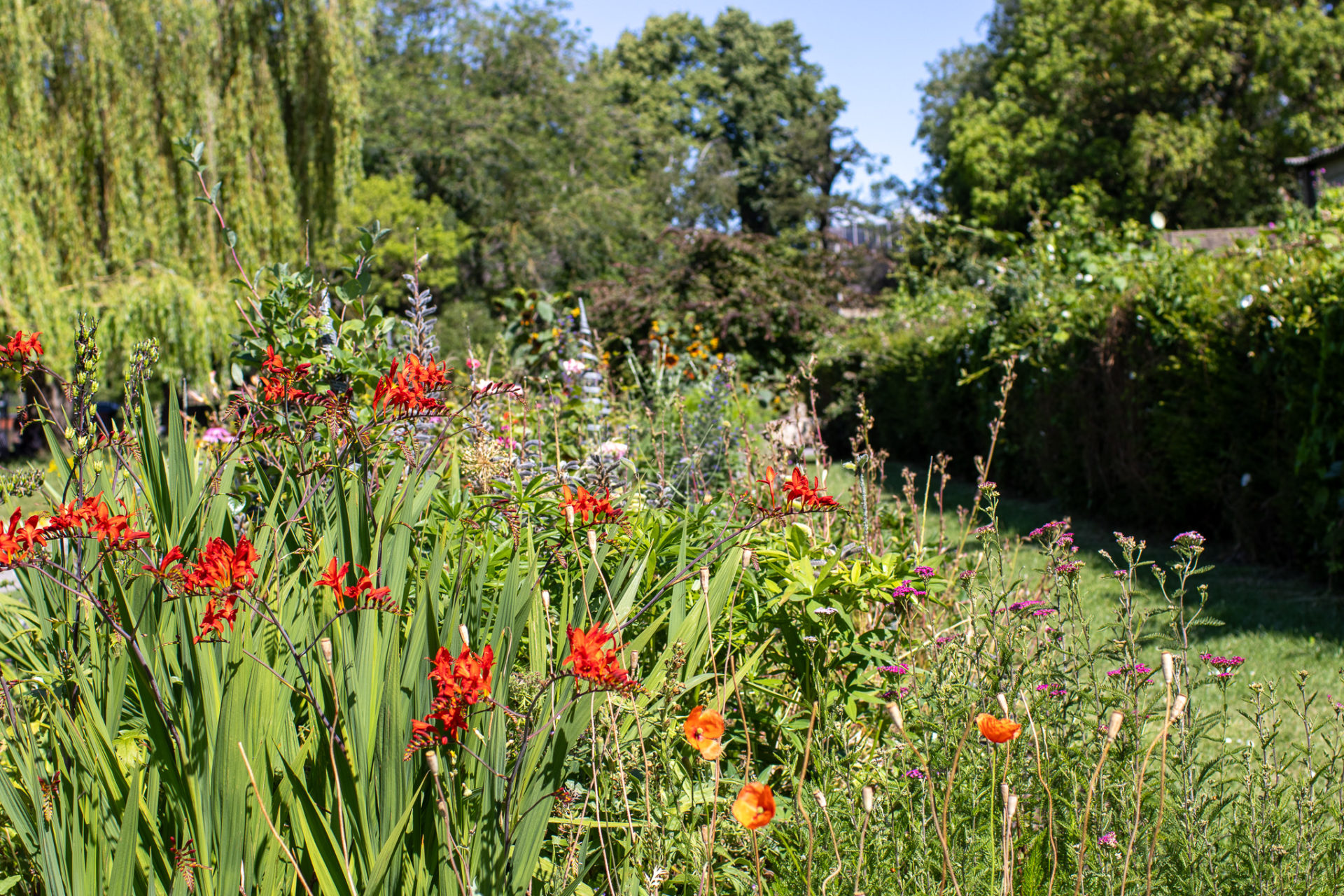
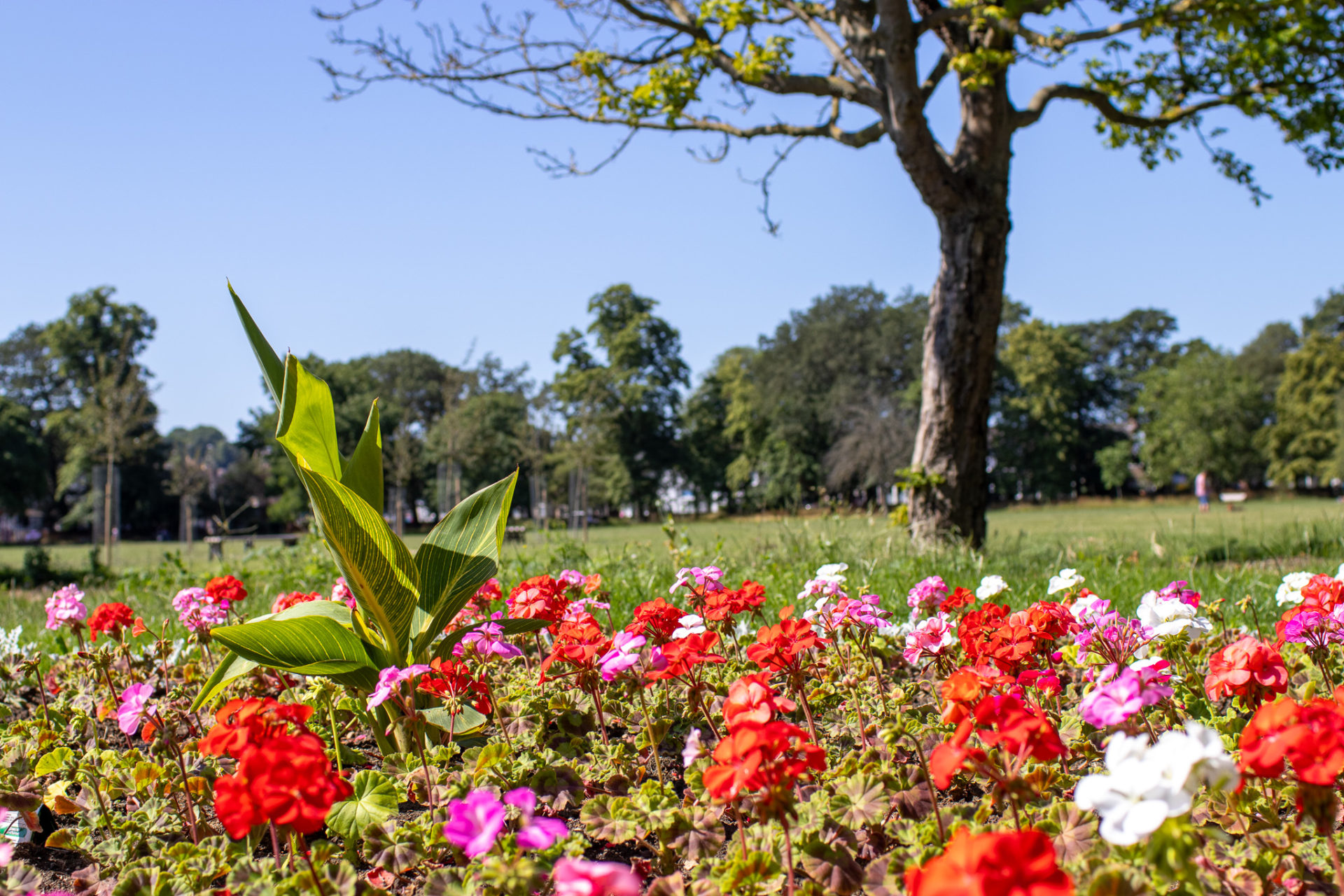
All the formal and ornamental gardens were concentrated around the eastern side of the park near the main entrance from Church Place. To the left of the entrance were the park keeper’s lodge and several ornamental glasshouses and frames. On either side of the entrance were formally laid out borders of herbaceous plants and annual bedding as well as a couple of fountains and numerous ornamental urns.
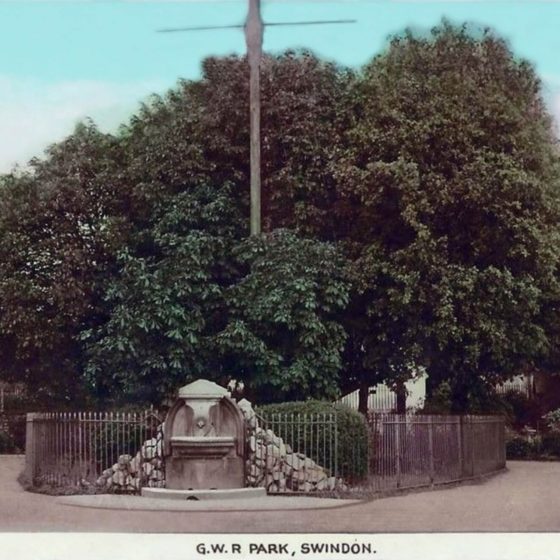
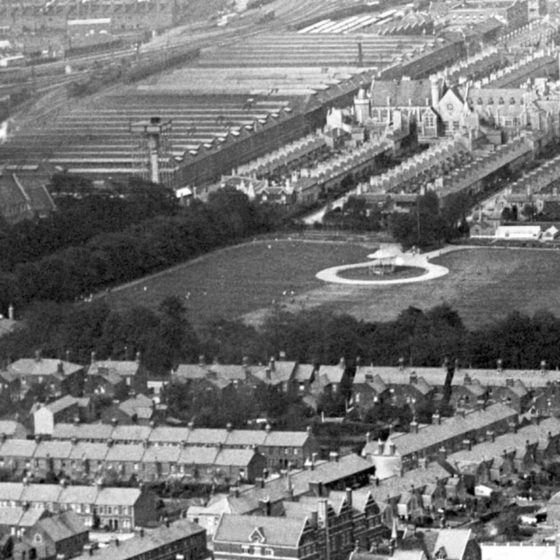
A small team of gardeners would have been kept busy tending the ornamental gardens to a high quality. For a while, a bandstand stood in the park and an ornamental drinking fountain with metal drinking cups on chains attached to railings was located near to the Lodge.
Unfortunately, the formal, ornamental gardens have long since disappeared from the park and the cricket pavilion, bandstand, drinking fountain, lodge and glasshouses no longer exist.
Sir Daniel Gooch Tree Carving
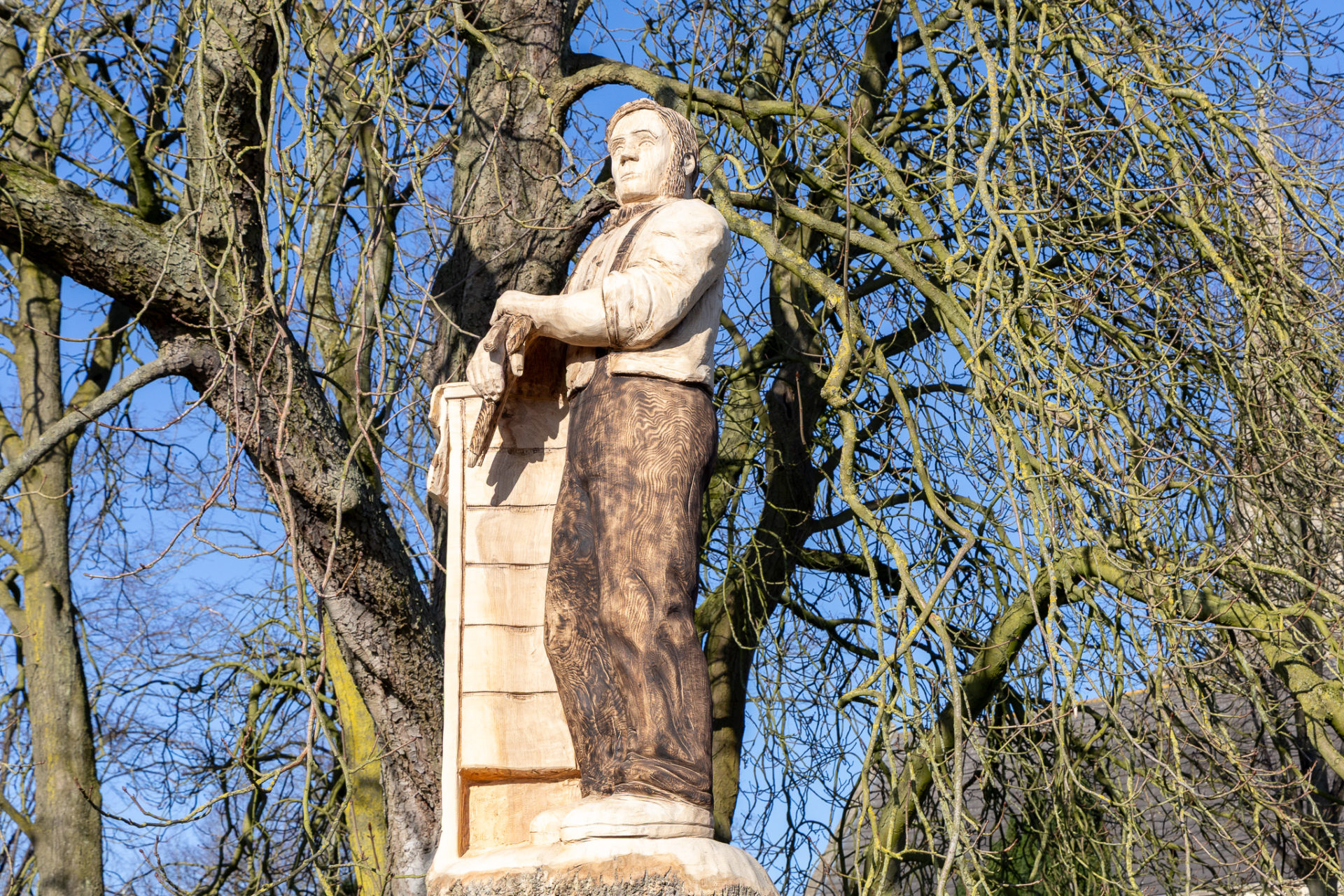
The most recent addition to the park is the carving of GWR pioneer Sir Daniel Gooch.
Carved by Graham Derham, the design features Sir Gooch with a GWR Works desk which holds designs of his revolutionary Firefly Class locomotive and is holding a spanner and drawing tools.
Gooch was appointed locomotive superintendent for Great Western Railways by Isambard Kingdom Burnel. He is credited with locating the site for the Swindon works in 1841 which he suggested due to its location approximately halfway between Bristol and London. At the time Swindon was a small market town with a population of about 2,500 but thanks to the Swindon Works the town grew into a major industrial centre.
Children’s Fete
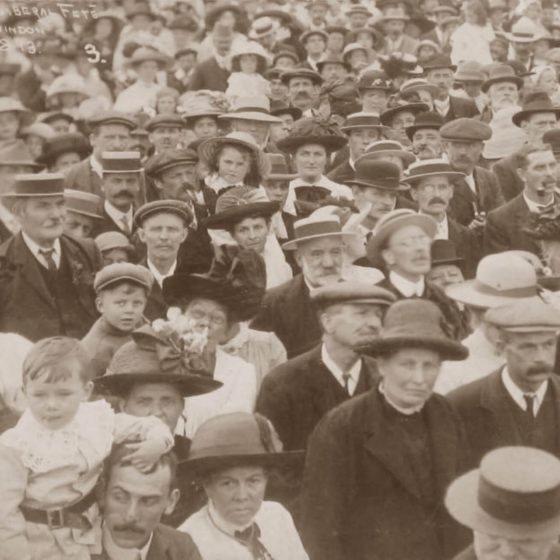
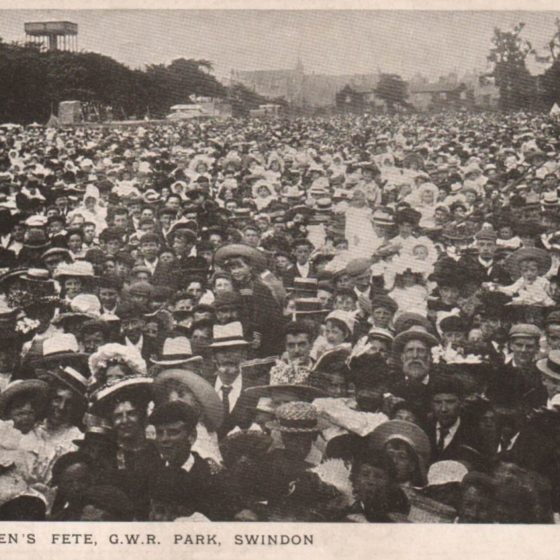
A children’s fete was a very popular event organised by the Mechanics Institute and held annually in the park in the afternoon of the Saturday following August Bank Holiday between 1866 & 1939 except during the Great War. Every child under the age of 14 was admitted free and given a slab of fruitcake and a cup of tea as well as one free ride on the roundabouts. At the fete there were roundabouts, swing boats, coconut shies and a wide variety of sideshows. The fete would always conclude with a great fireworks display.
In 1907, it is estimated that around 40,000 people attended the annual fete with free cake and tea being distributed amongst the crowd.


Heritage Action Zone
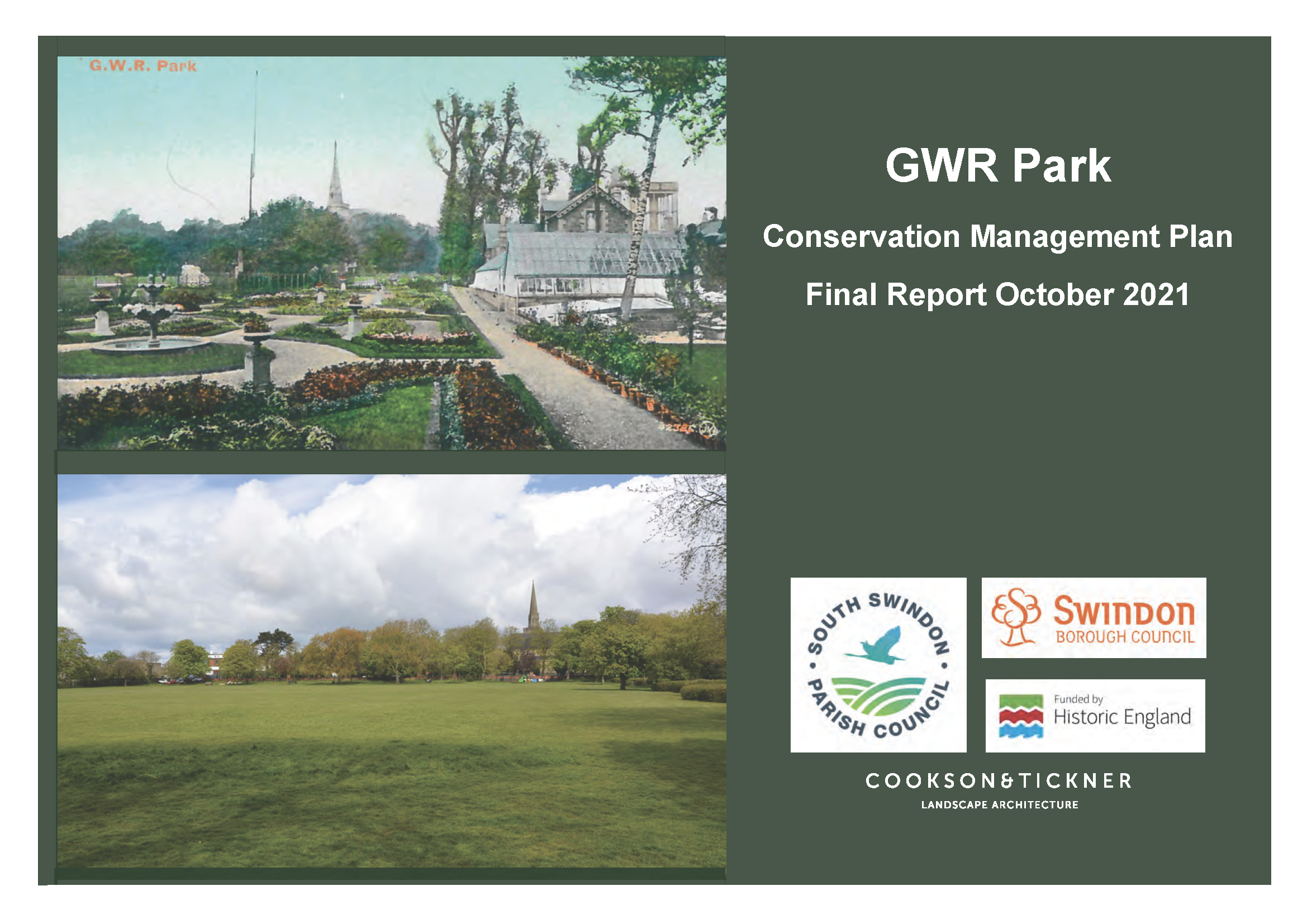
In 2019, Swindon’s Railway Conservation Area was included in a Heritage Action Zone (HAZ) and a Conservation Management Plan (CMP) for the GWR Park has been produced.
The Conservation Management Plan describes the historic development of the park; it provides information on the current management and describes how it is currently maintained; it goes on to explain why the park is important and to whom, before setting out a vision and series of management actions for the park. The overall vision is to conserve, enhance and restore the most important aspects of GWR Park’s historic and contemporary significance.
A number of improvements have already been made in the park. Work started in the Winter of 2022, and included
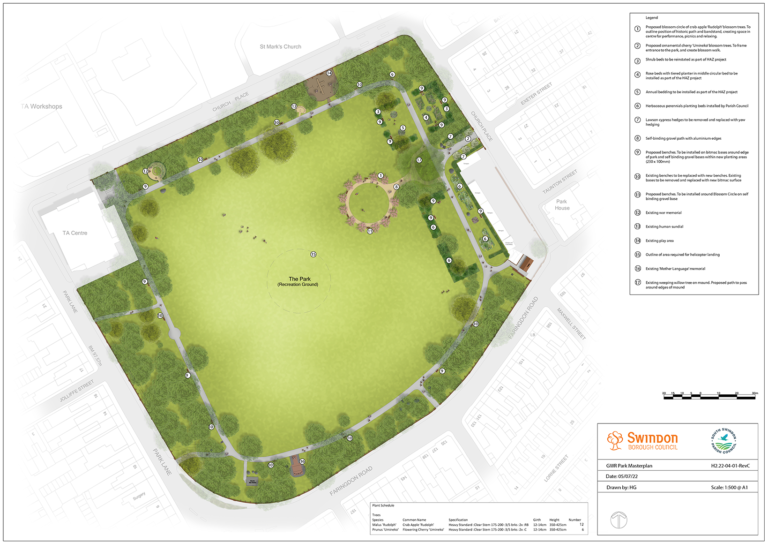
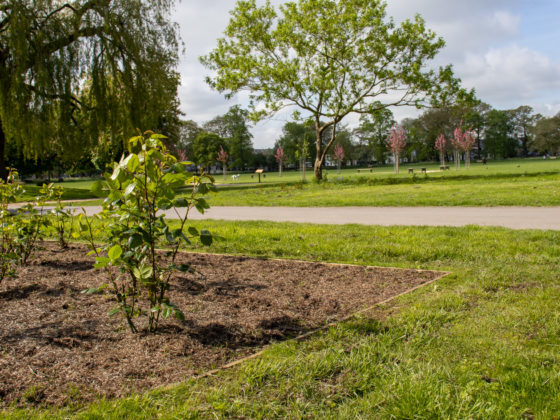
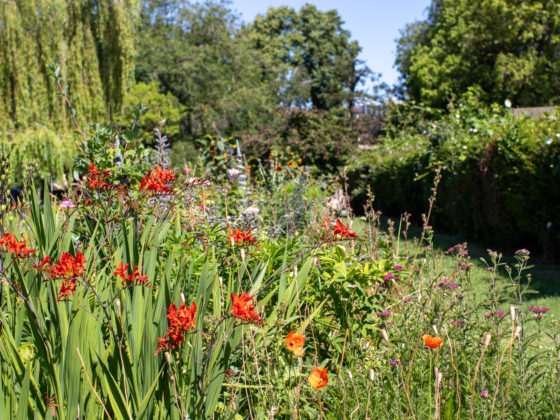
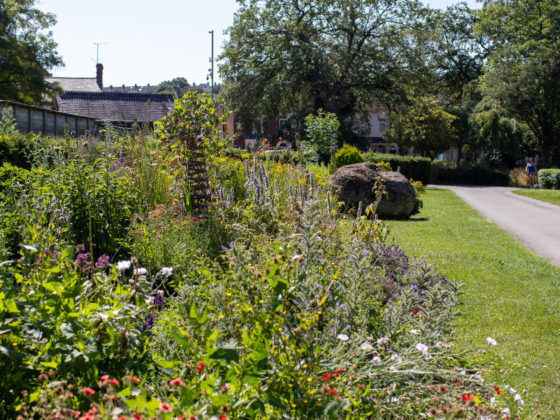
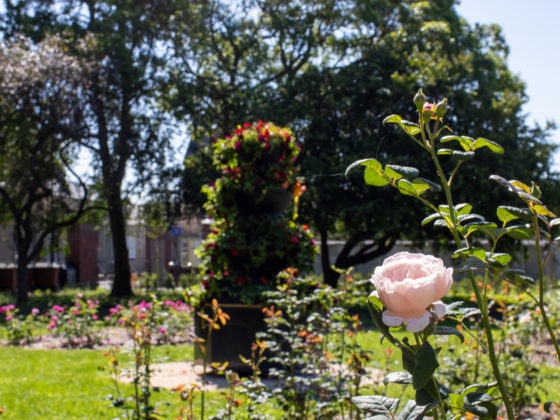
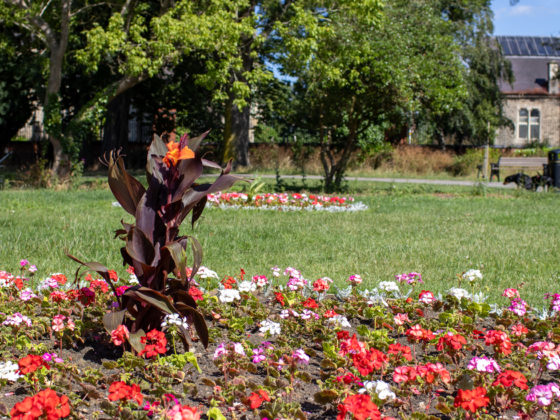
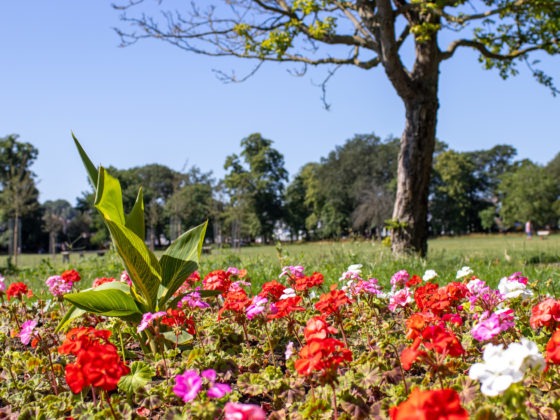
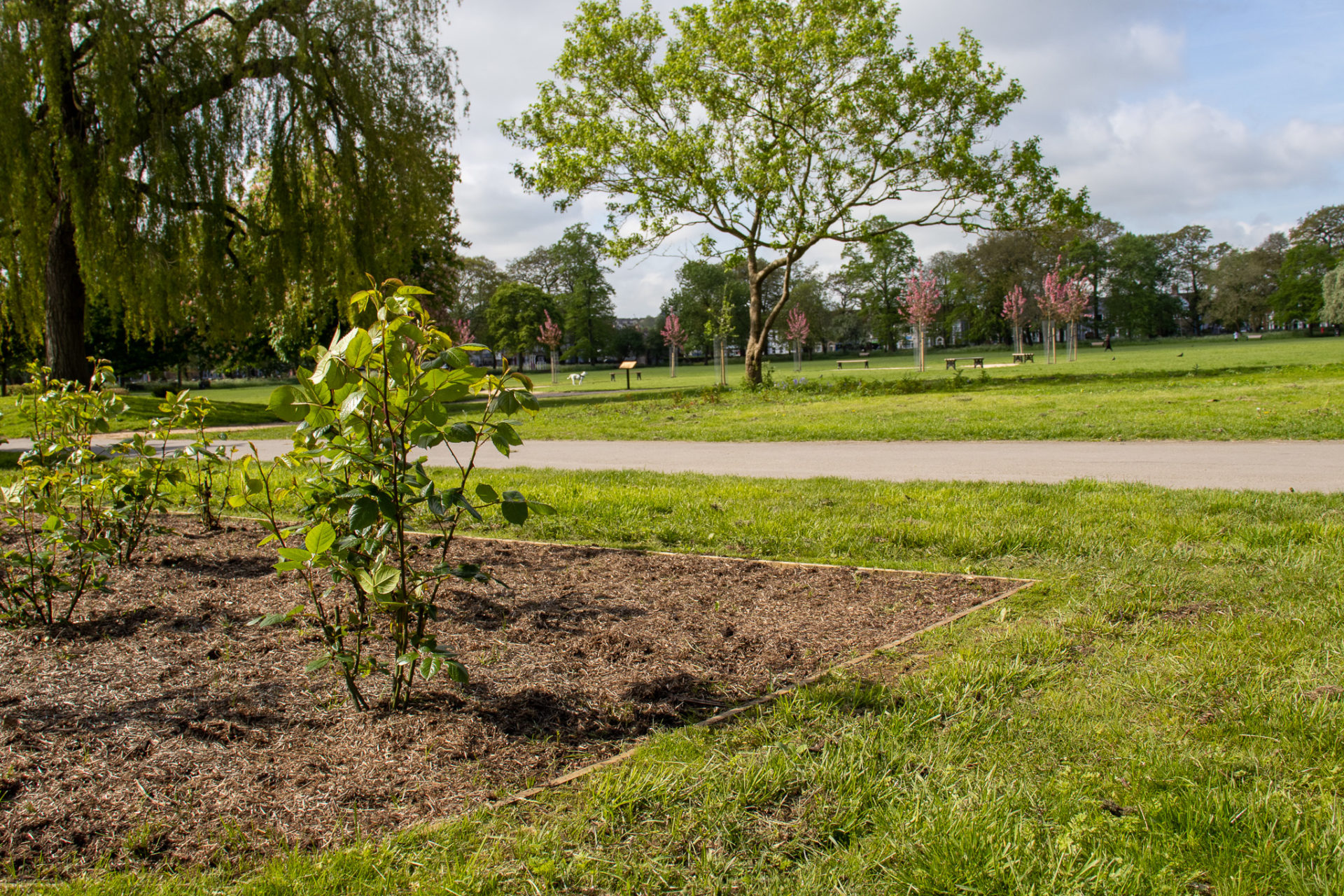
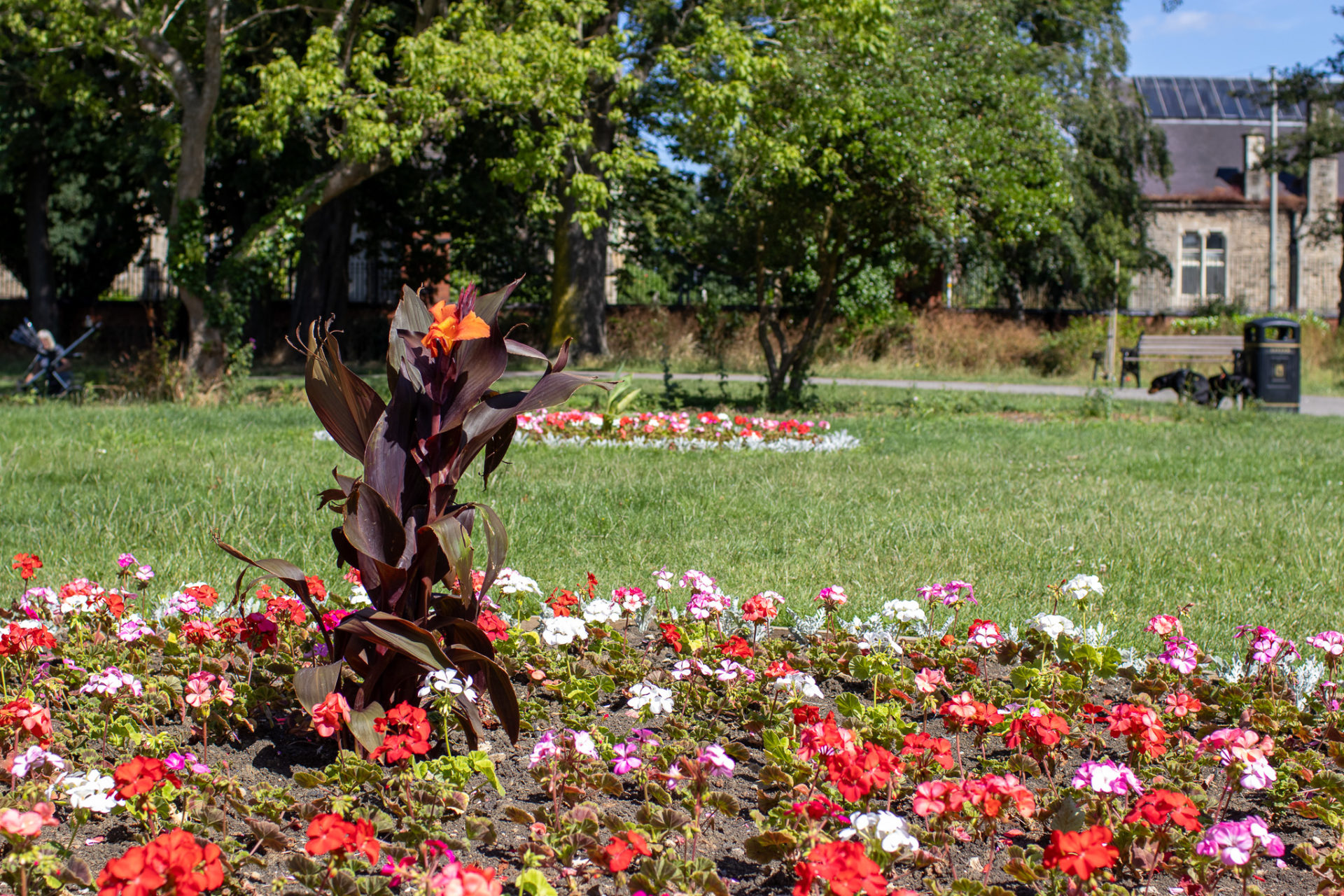
- A plan to recreate formal flowerbeds on the eastern side of GWR Park- enhancing the Church Way entrance to the park, adding interest and creating new attractive spaces for people to dwell in.
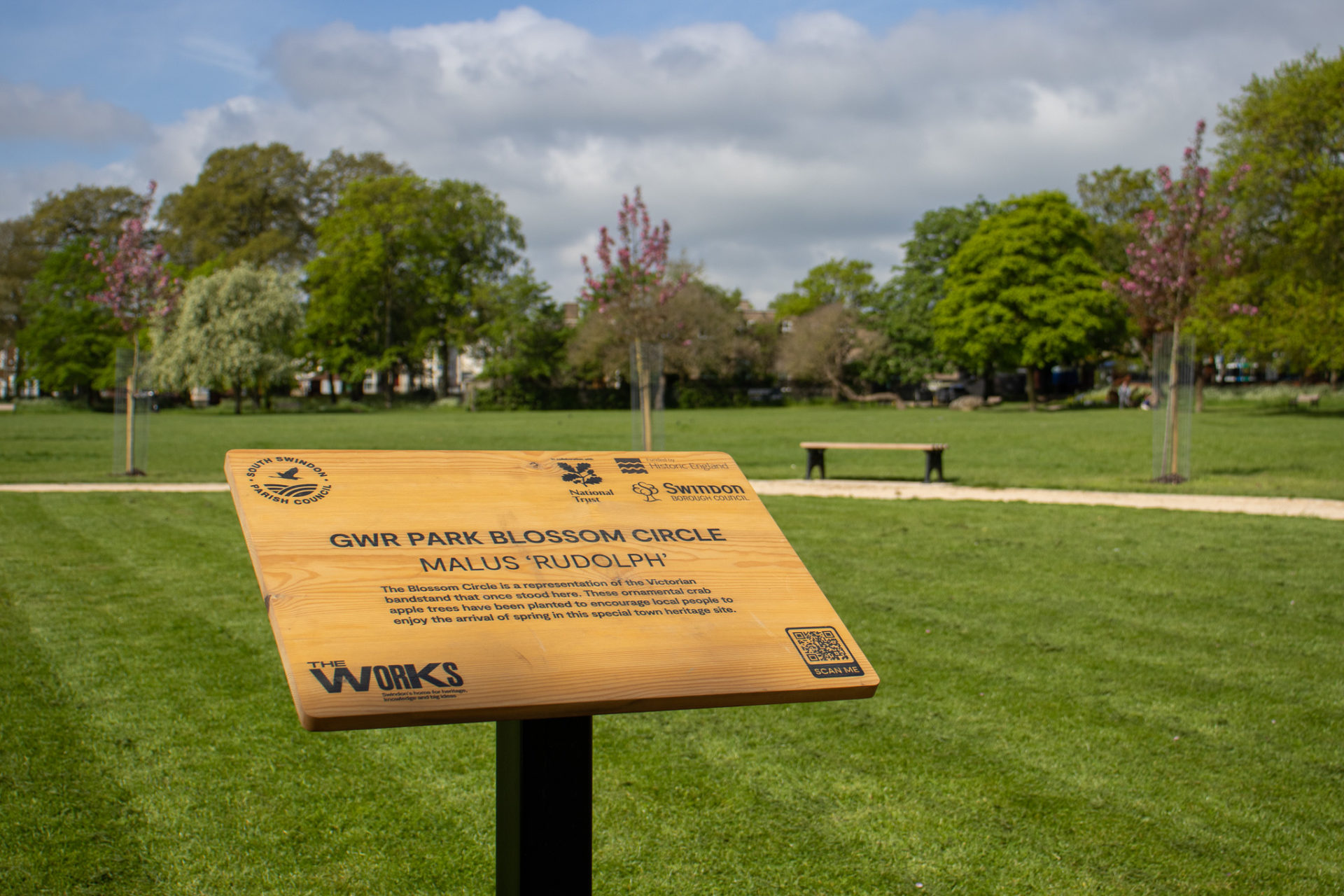
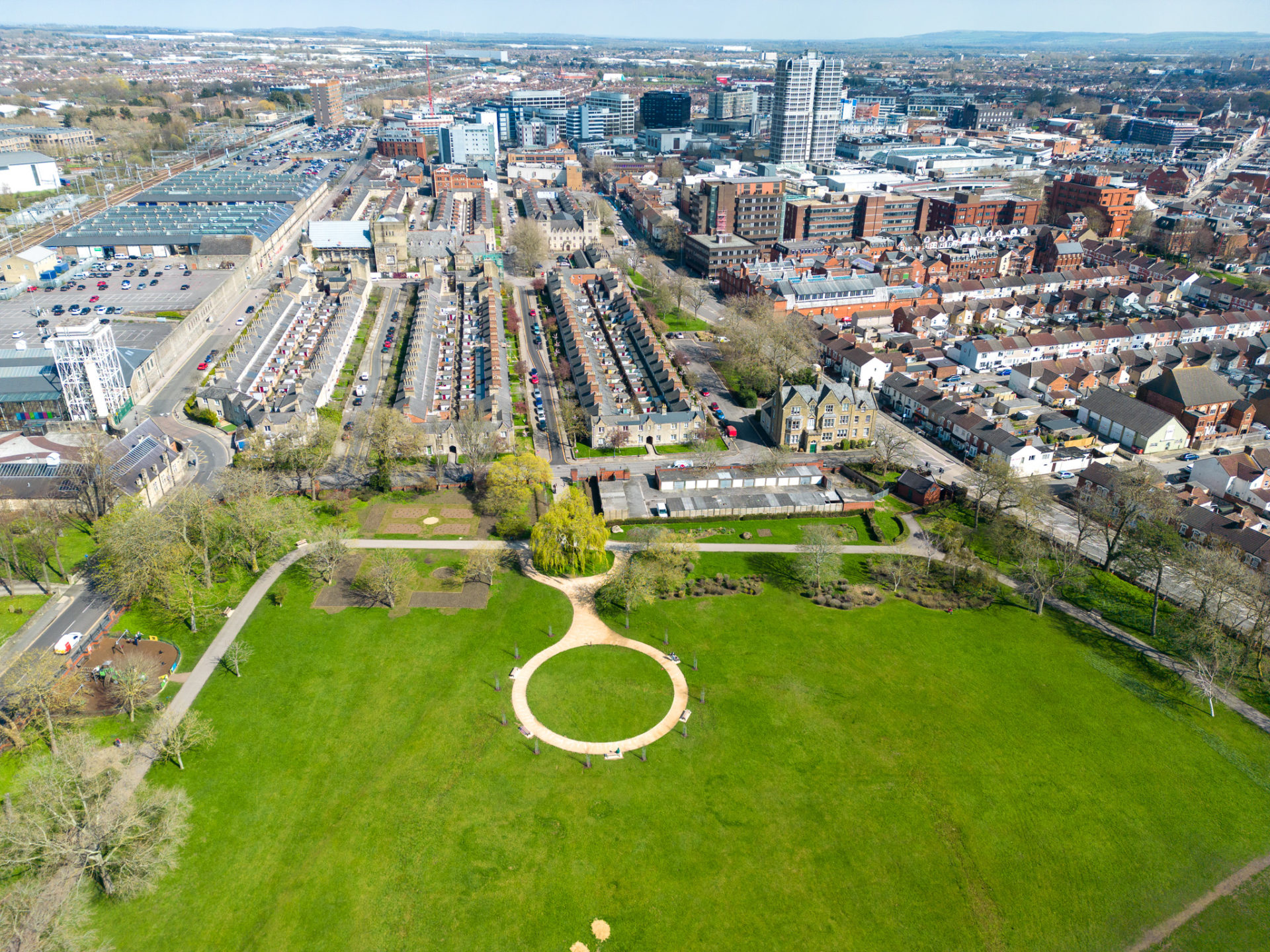
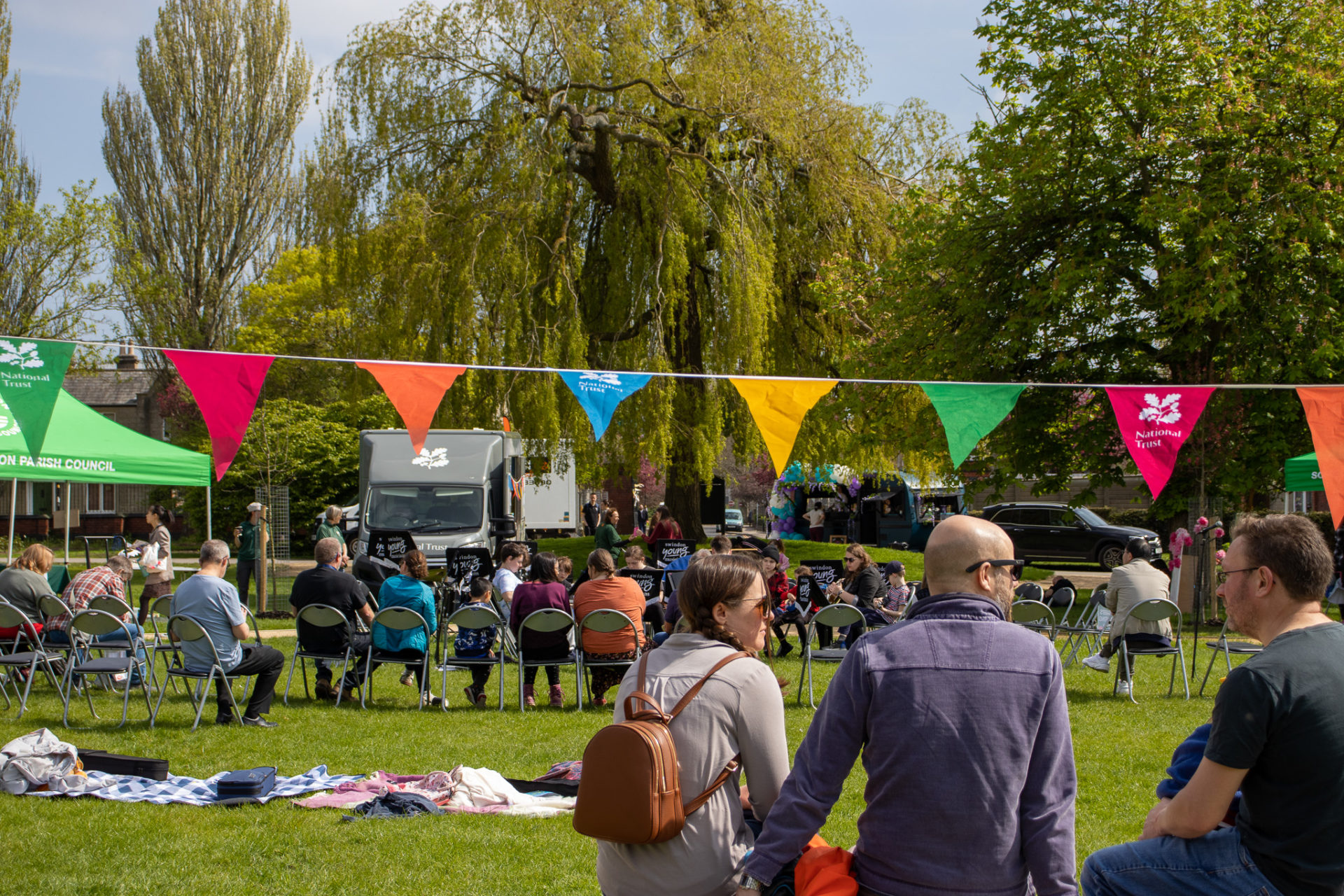
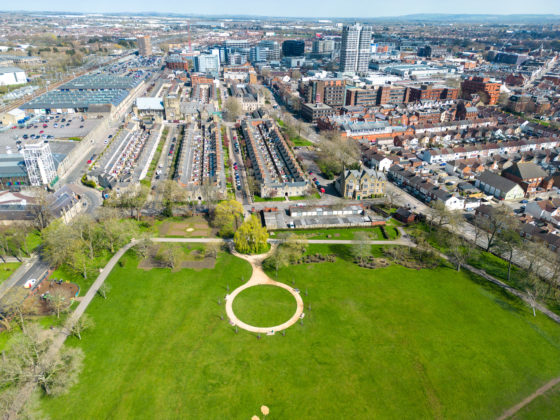
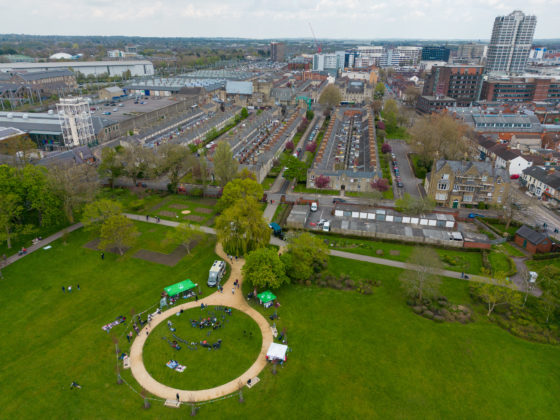
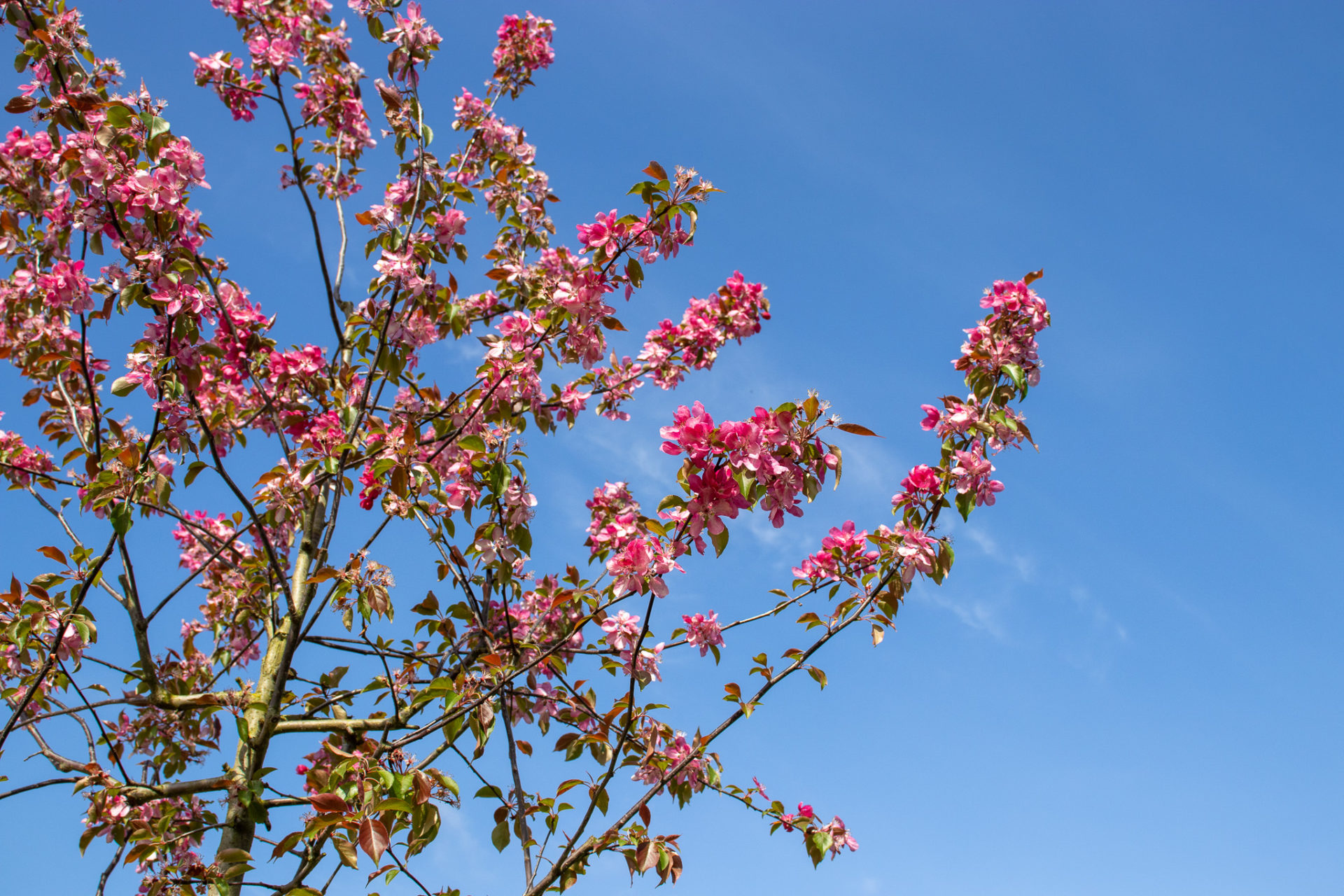
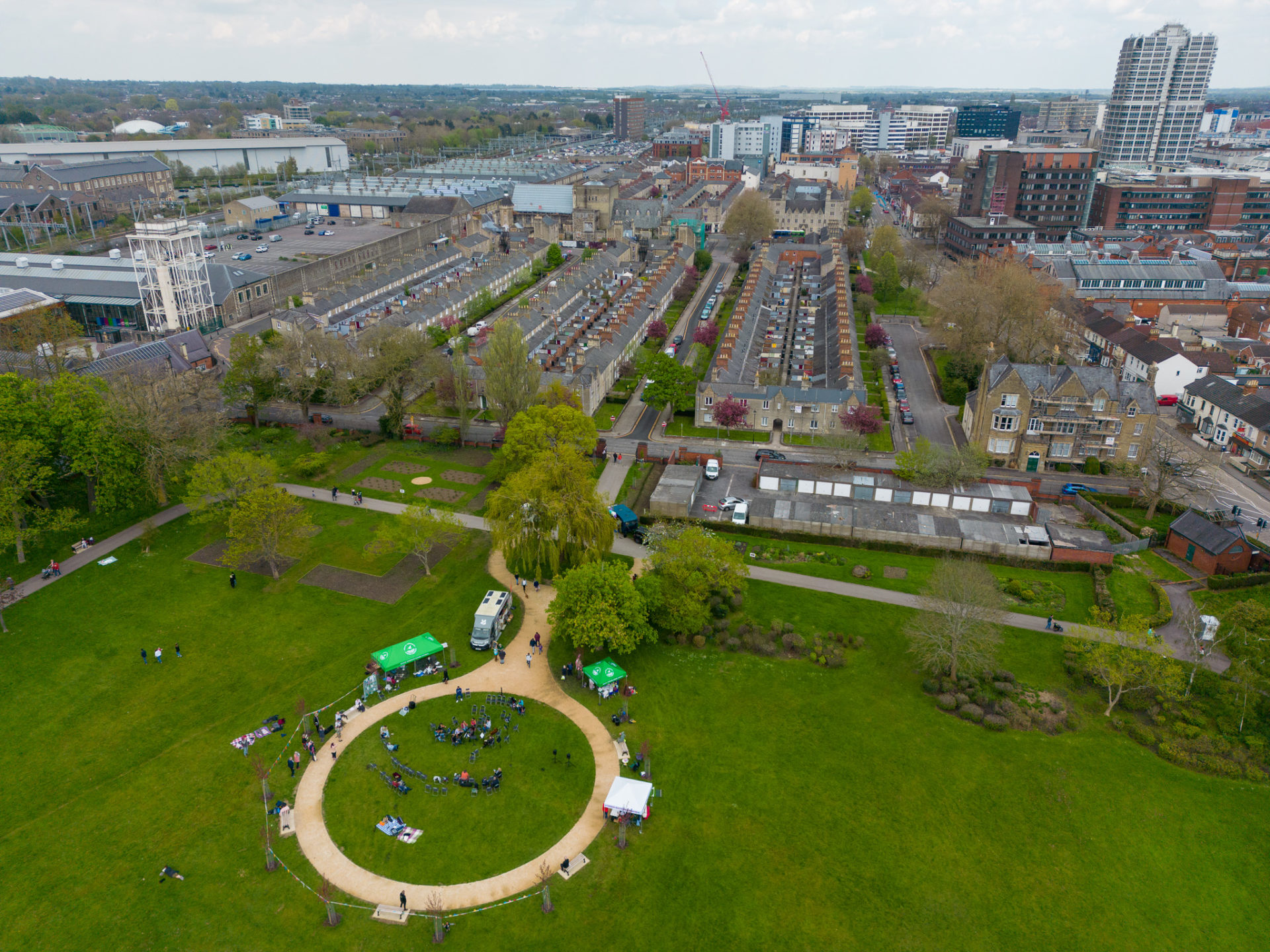
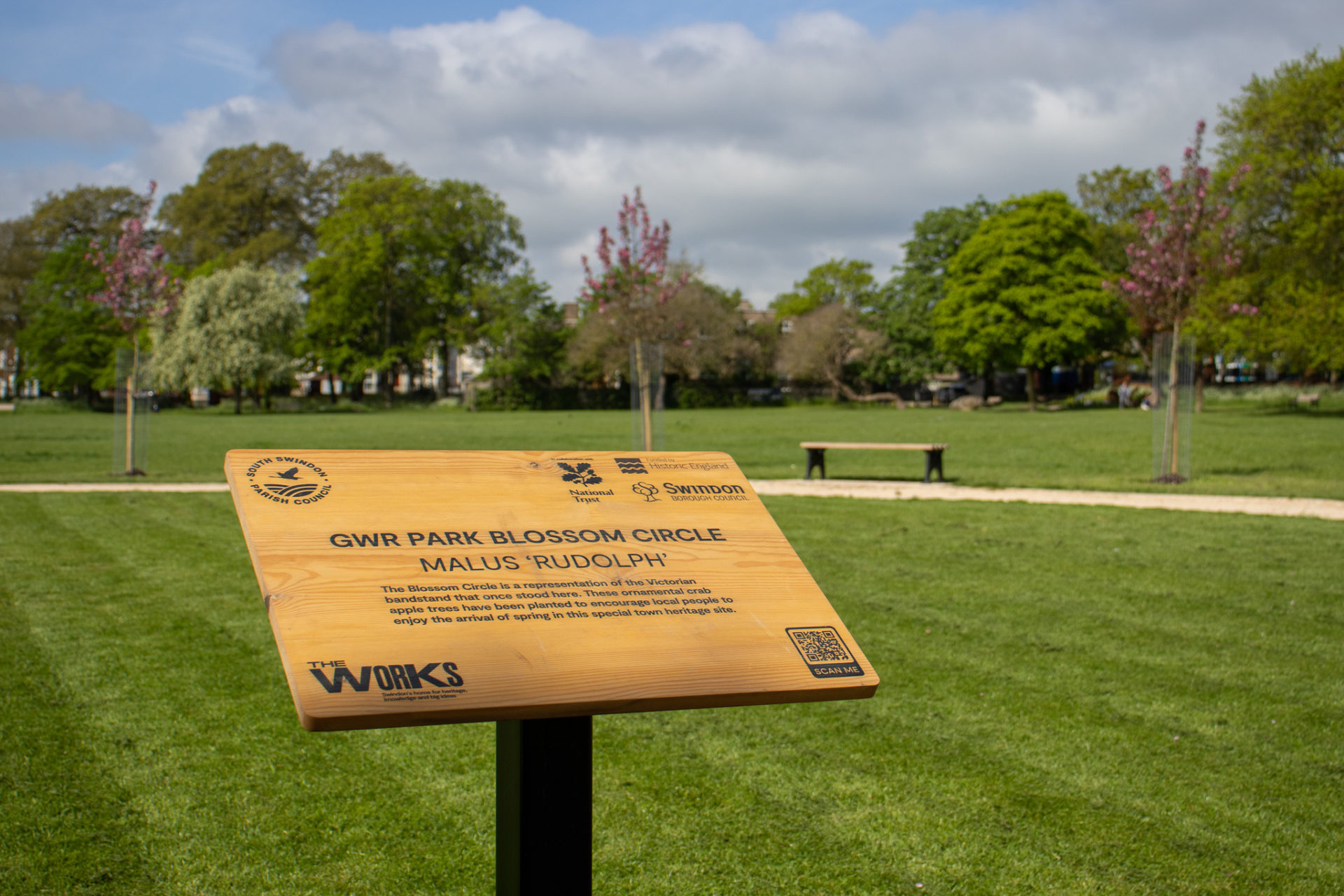
- The planting of a ‘Blossom Circle’ of trees on the footprint of the historic bandstand. Inspired by the Japanese tradition of ‘hanami’ (cherry blossom worship) the Blossom Circle provides a space to relax and take in the park. The circle can also be used as a space for events and performances.
- Seating bays around the perimeter path will be renewed and new ones created, including within the new flowerbeds and Blossom Circle. All existing benches will be replaced and new benches added that will be a consistent style of bench in keeping with the park’s GWR heritage.
- The bins, noticeboards and bollards in the park will all be replaced.
- A programme of spring and summer activities will be offered to encourage people to visit and enjoy this historic park.
More information about the GWR Conservation Management Plan and the HAZ project.
The Blossom Circle
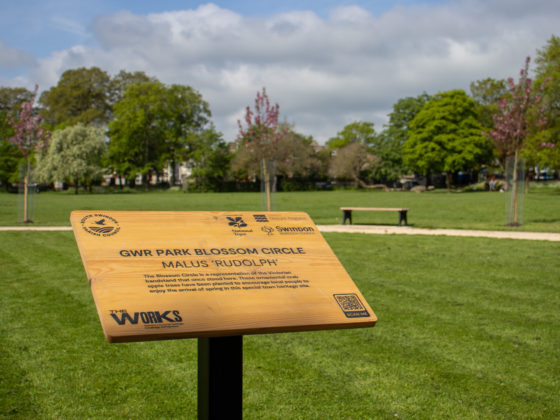
In 2023, South Swindon Parish Council, the National Trust and Historic England officially opened the GWR Park Blossom Circle, the first major feature to be added to the park in decades.
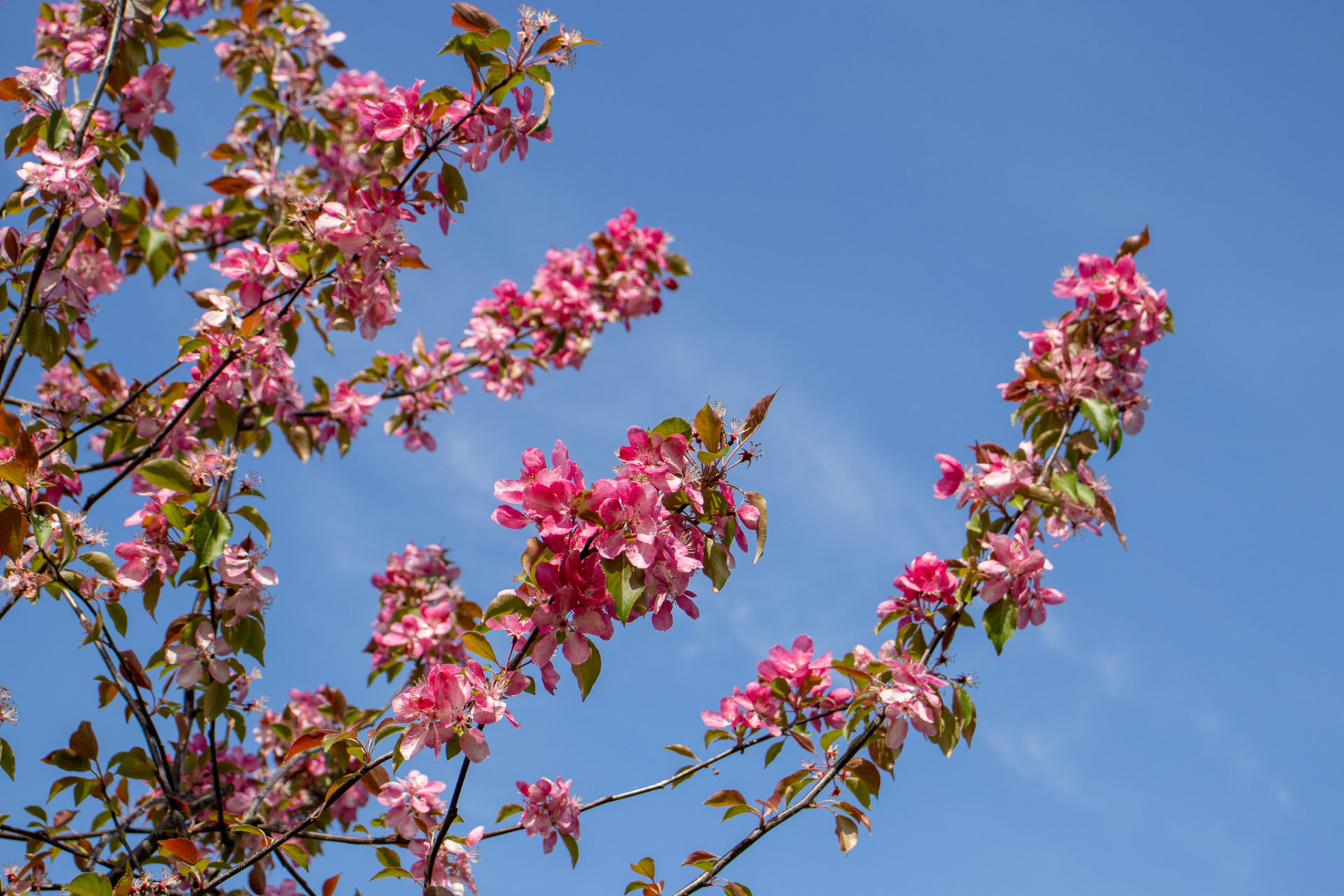
The circle is made up of 11 Malus Rudolph blossom trees, laid out on the footprint of the old bandstand that used to be on the eastern side of the park. There are an additional 6 new blossom trees lining the Church Place entrance to the park.
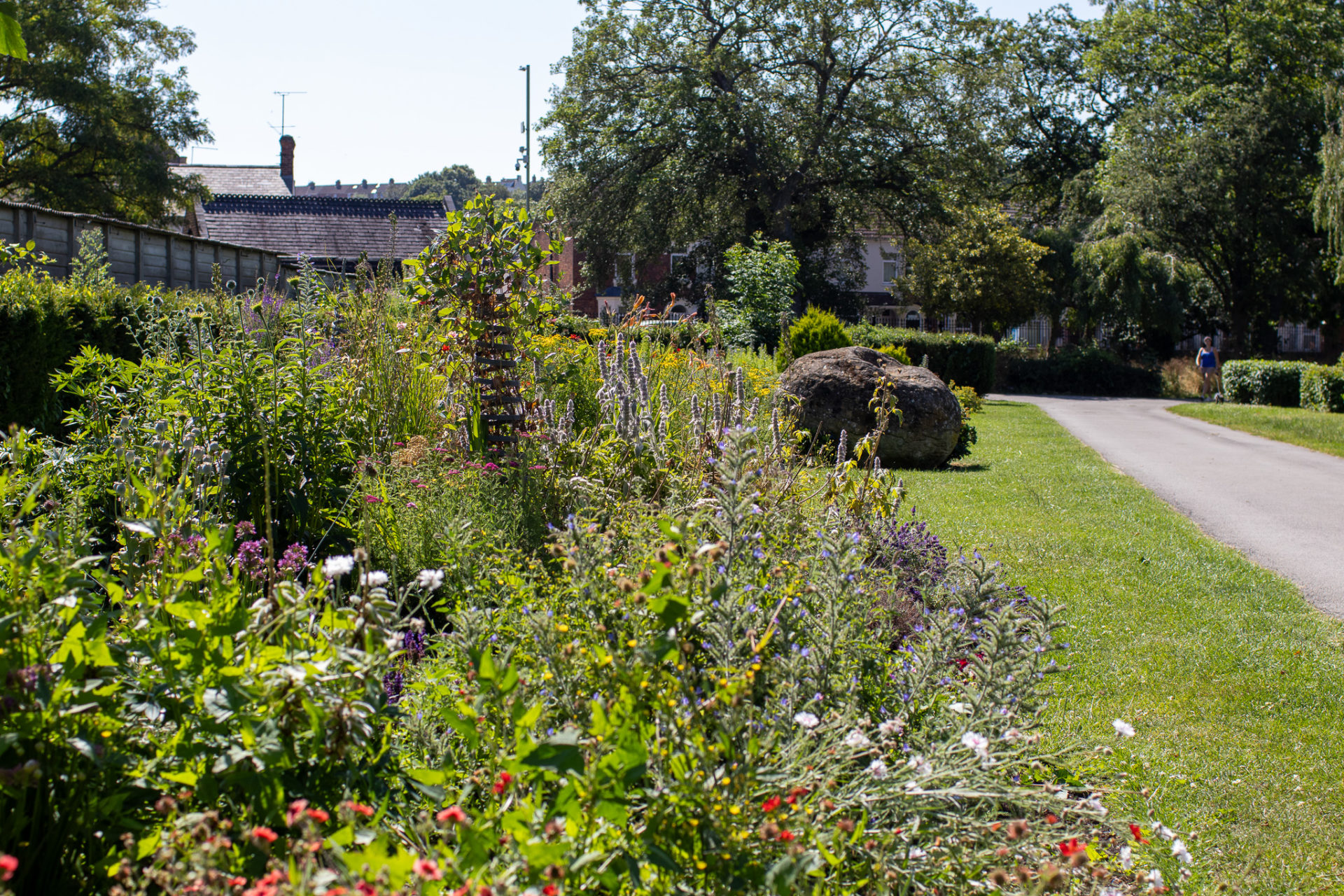
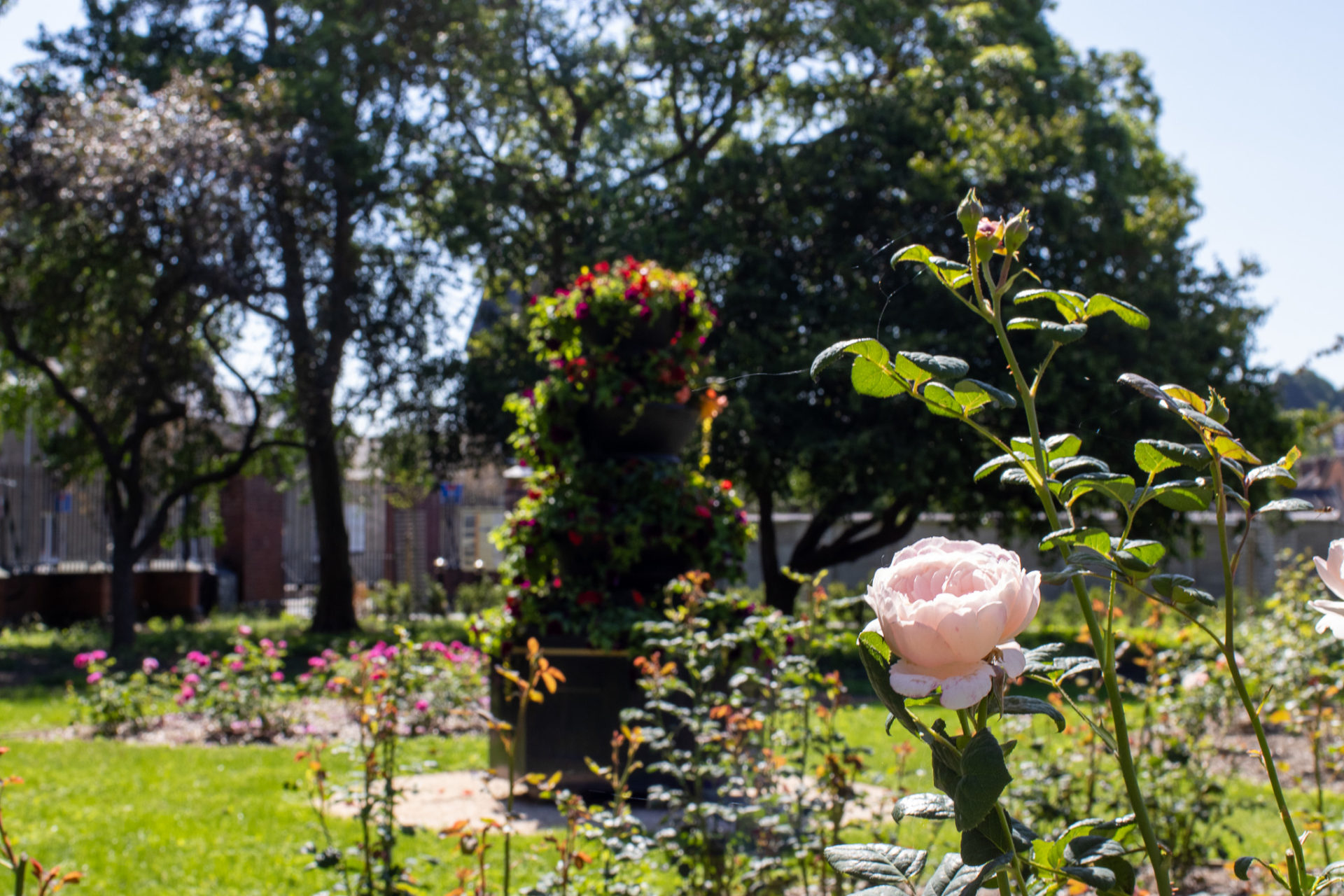
The Parish Council has also recreated the historical formal gardens that used to be on the eastern side of the park.
Hopefully this will be the beginning of a new chapter in the long history of Swindon’s first public park.
Features
The GWR Park is open daily throughout the year with the following features:

How to get there
GWR Park is located adjacent to Faringdon Road in the centre of Swindon, SN1 5DJ. There is no car parking available at the park or on the surrounding streets. There are a number of public car parks located around the Town Centre within walking distance of the park.



Booking the Parks for Events
The Parish Council is committed to keeping the parks open for all visitors free of charge. However we do consider hiring sections of the park out to companies and community groups. For more information please visit our private bookings page.