Town Gardens Gates Restoration
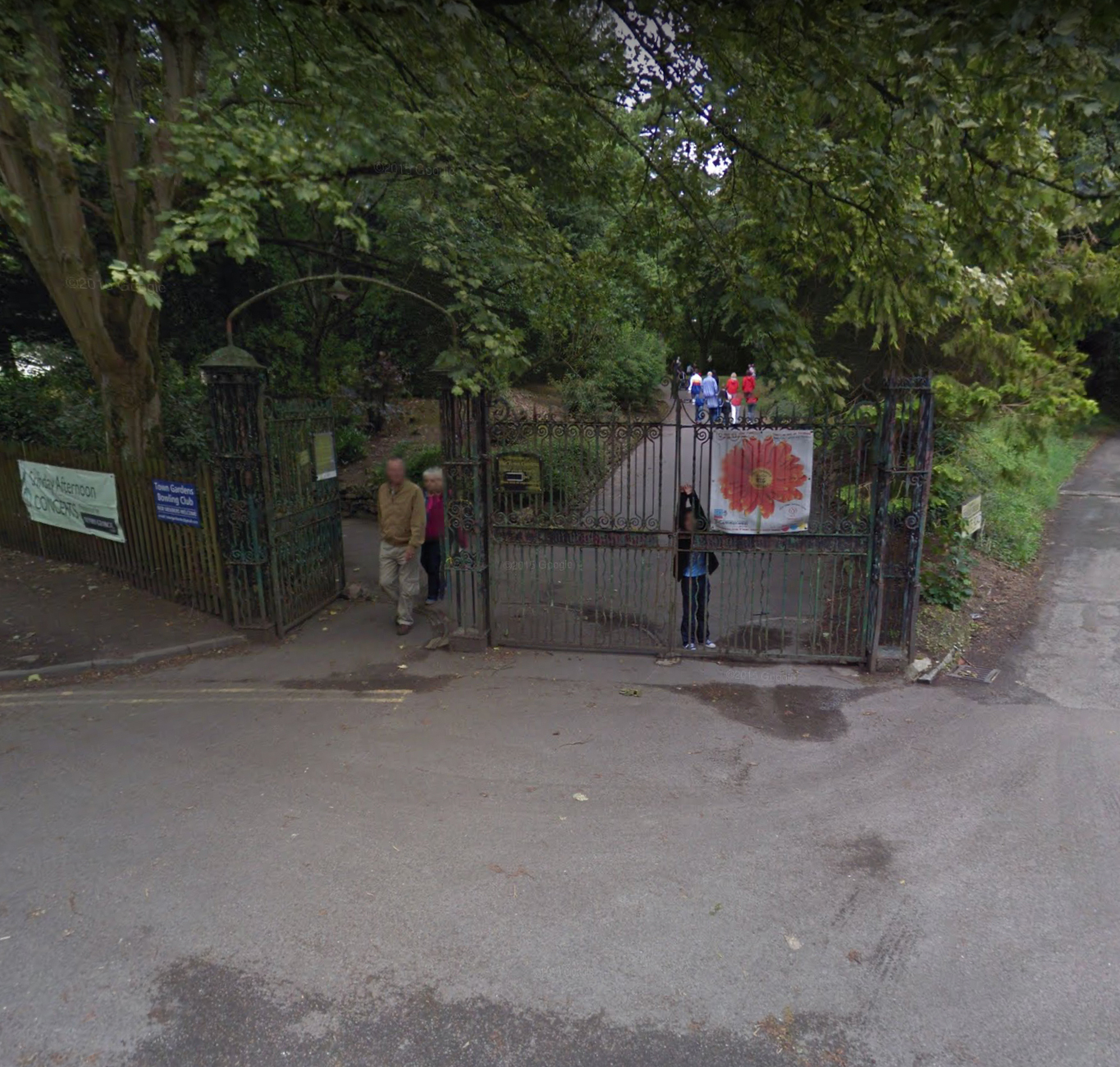
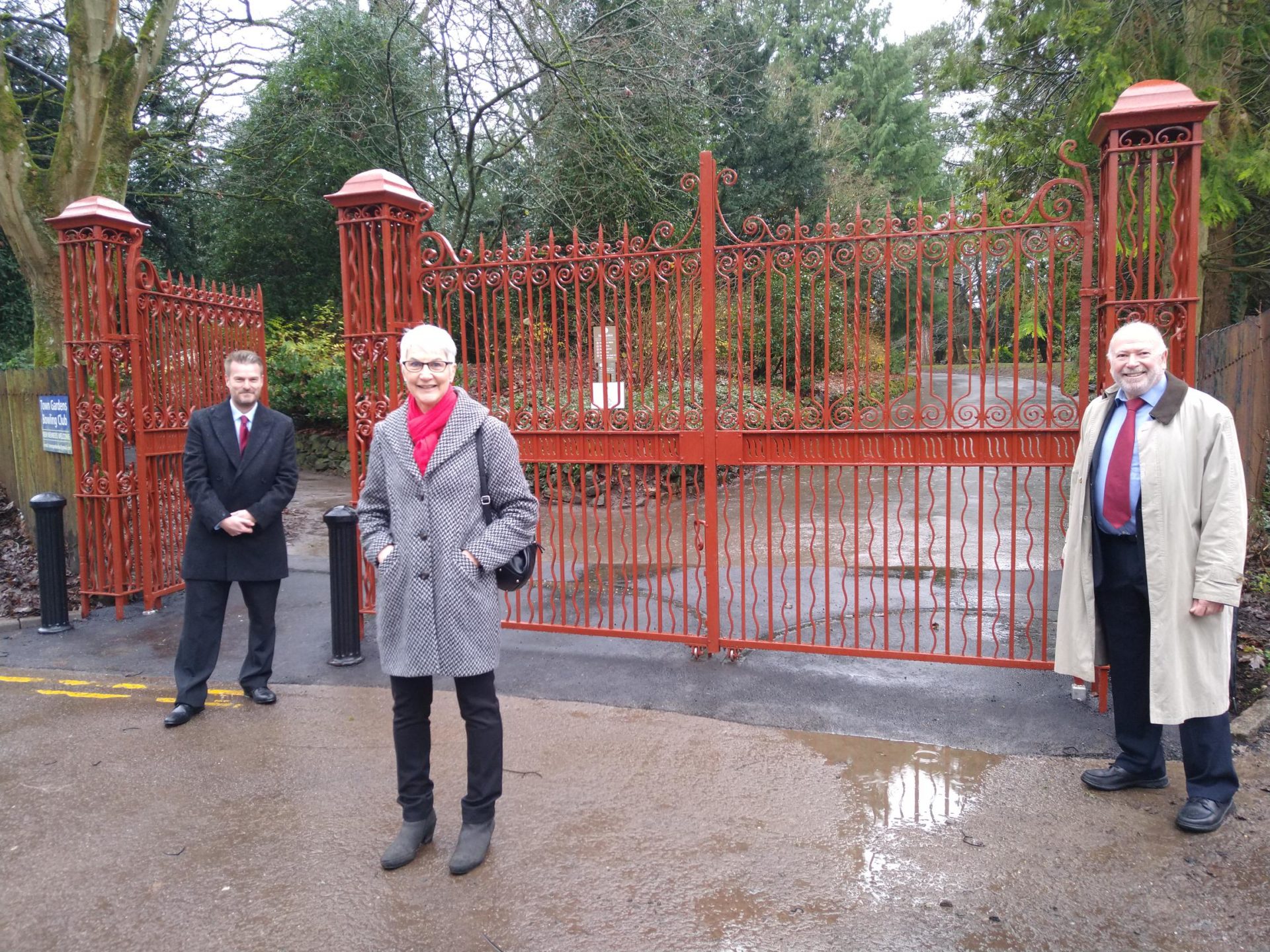
After decades of neglect, in 2020 the Parish Council restored the historic gates at the Town Gardens. The Parish commissioned a blacksmith to bring the gates back to how they looked when they were first installed in the early 20th century. This project was the first of its kind in Swindon and the first heritage restoration project the Parish Council delivered.
Before:
After:
How much did the gates restoration cost?
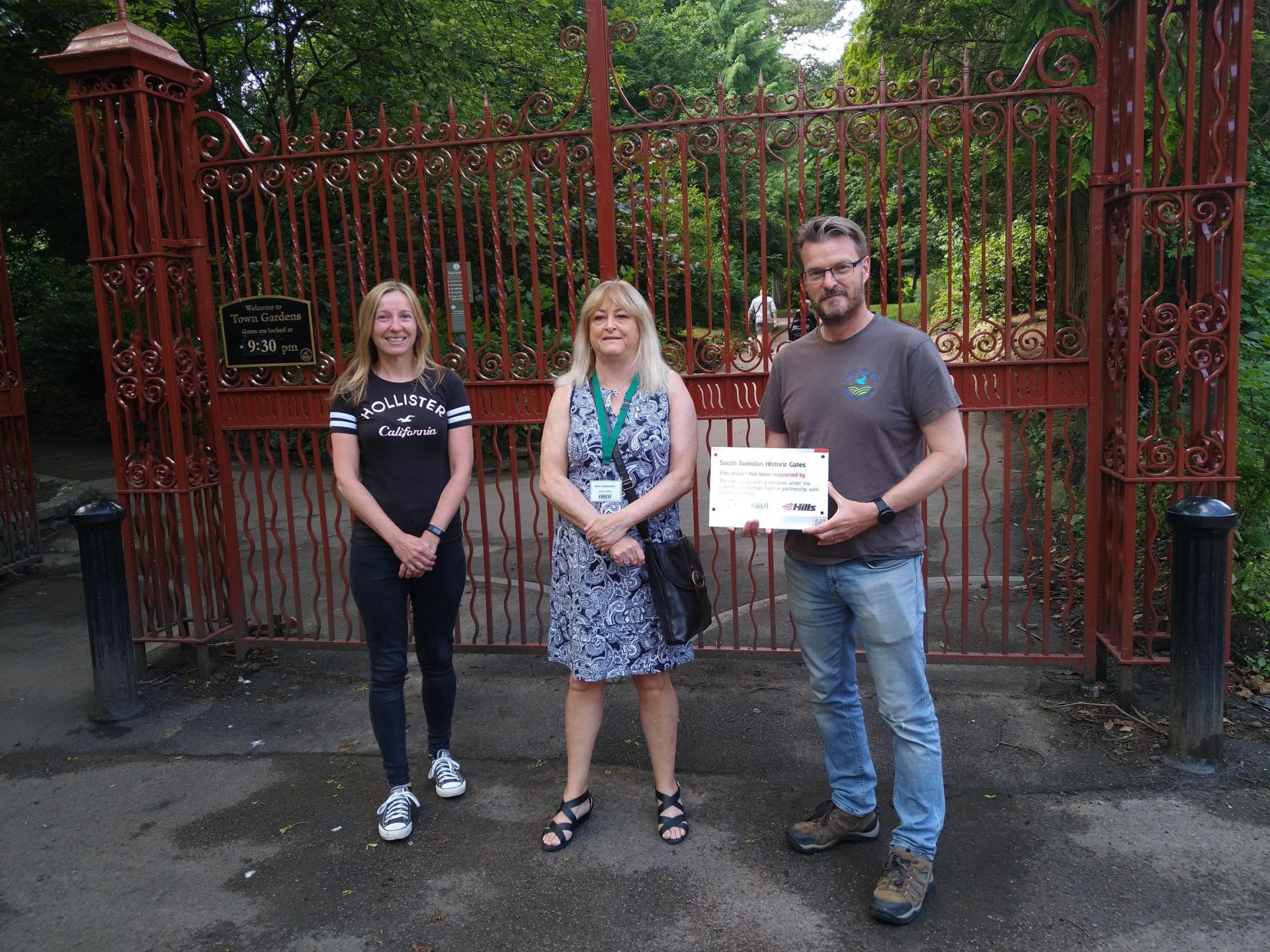
The restoration of the Town Gardens gates cost £82K. This included a £10,000 grant from the Community First Landfill Communities Fund, administered for the Hills Group. The remaining cost was paid for by the Parish Council.
What is the history of the Town Gardens Gates?
The Town Gardens was formally opened in 1894 and was laid out on the site of old Purbeck stone quarries, formerly owned by the Goddard family.
The northern area was laid out in 1902, which was quickly followed by the installation of the gates in 1904. The gates were built and installed by Bristol blacksmith William James Mullings.
The gates at Quarry Road subsequently became Grade II listed in 1986.
While the gates have stood since 1904, they hadn’t been restored, only painted over, leaving them dilapidated at the time the Parish Council took on the running of the Town Gardens in 2019.
There are 4 pedestrian gates at the Town Gardens that have been restored:
- The main Quarry Road double gate entrance.
- The second Quarry Road pedestrian entrance further southwards of the park.
- The Westlecot Road pedestrian entrance.
- The Goddard Avenue pedestrian entrance.
Why did the Parish Council choose this colour?
The Venetian Red colour Parish Councillors chose for the gates was the original colour of the gates when they were first installed. Venetian red was a common choice of colour for urban ironwork in the late nineteenth century. It became a fashionable choice in the 1860s and in the last quarter of the century, used extensively for street railings and also for park railings and gates. It continued to be widely used up to the First World War. It was rarely found used after 1920 and at some point in the first half of the twentieth century (do not have an exact date) the gates stopped being painted red/ brown, and were painted green.
Journey of the Town Gardens Gates Restoration
Restoration Part 1
Restoration Part 2
Restoration Part 3
Supported by: